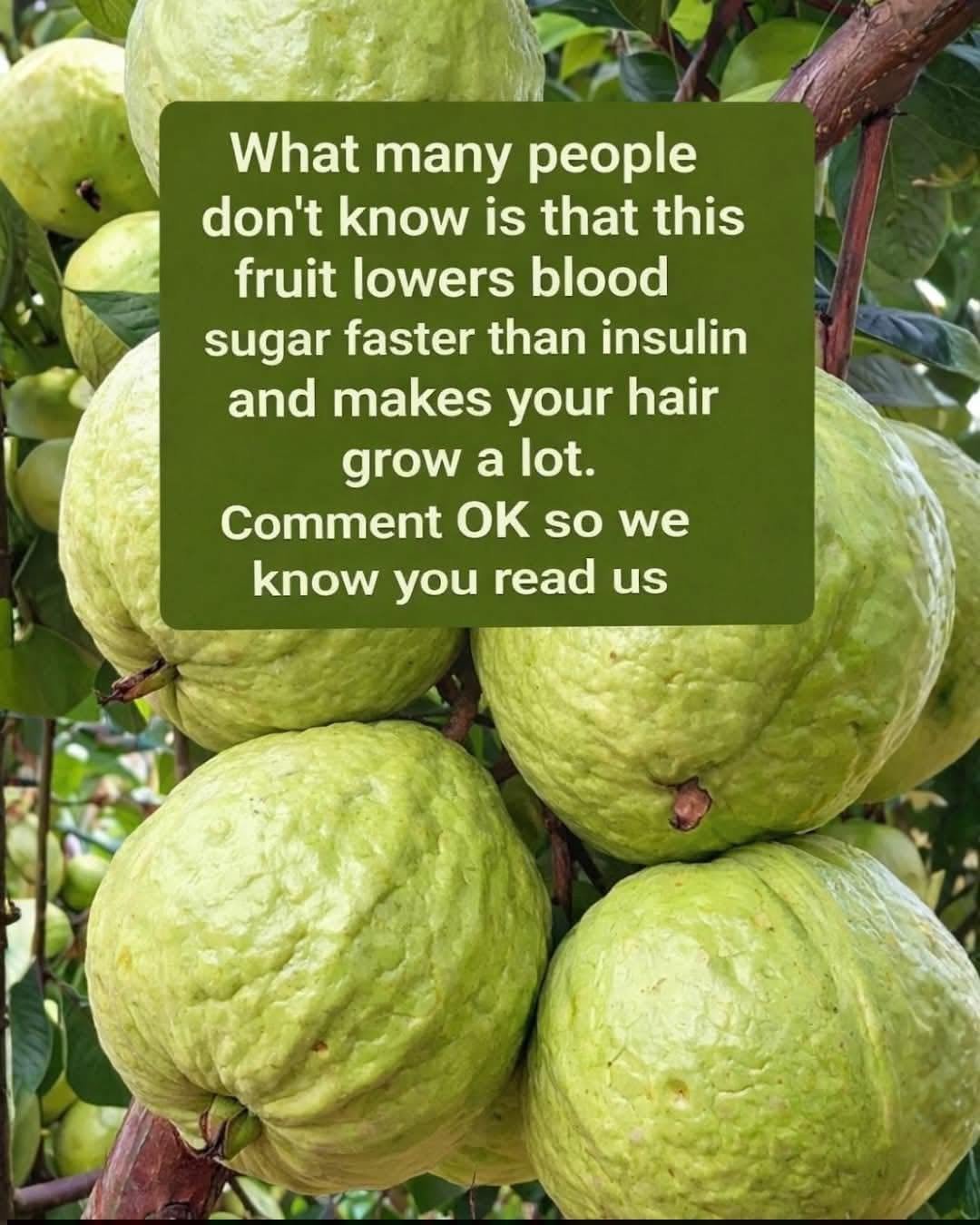
Guava (Psidium guajava) is a tropical perennial shrub characterized by a complex biochemical matrix. Beyond its standard culinary uses, both the fruit and its leaves contain high concentrations of bioactive secondary metabolites—including polyphenols, flavonoids, tannins, and complex polysaccharides—that offer functional, evidence-based support for metabolic regulation and hair integrity.
🔬 Scientific Profiles of Target Systems
1. Glycemic Modulation and Insulin Sensitivity
The potential of guava in supporting balanced blood glucose relies on two primary physiological mechanisms:
-
Enzymatic Inhibition ($\alpha$-Glucosidase and $\alpha$-Amylase): Polyphenols found in guava leaves (specifically quercetin, guaijaverin, and morin) act as natural inhibitors of carbohydrate-hydrolyzing enzymes in the small intestine. By slowing the enzymatic breakdown of complex starches and disaccharides into simple glucose, guava leaf bioactives delay intestinal glucose absorption and blunt postprandial blood sugar spikes.
-
Intestinal Viscosity and Gastric Emptying: The high concentration of soluble dietary fiber (pectin) in the fruit matrix increases the viscosity of the chyme in the stomach and upper gastrointestinal tract. This delays gastric emptying and downregulates immediate glucose transport across the brush border membrane, helping maintain stable insulin demands.
2. Trichological Health and Follicular Performance
Supporting hair follicle integrity requires structured nutritional inputs, steady microcirculation, and protection against cellular oxidative stress:
-
Collagen Synthesis via Prolyl Hydroxylase: Guava fruit contains exceptional concentrations of ascorbic acid (Vitamin C), supplying up to four times the Vitamin C content of oranges. Ascorbic acid serves as an essential cofactor for prolyl hydroxylase and lysyl hydroxylase—the enzymes responsible for stabilizing the triple-helix structure of collagen, which provides structural support for the dermal papilla and surrounding hair follicles.
-
Microvascular Optimization & Scalp Environment: The high concentration of tannins and flavonoids in guava leaves exerts a mild astringent and anti-inflammatory effect when applied topically. This helps clear excessive sebum accumulation from the follicular infundibulum and optimizes microcirculation within the capillary networks surrounding the hair roots.
🌿 Bioactive Constituent Mapping:
LOOK NEXT PAGE DEAR──►
For Complete Cooking STEPS Please Head On Over To Next Page Or Open button (>)