| Plant Component | Primary Active Bio-Molecules | Targeted Physiological Impact |
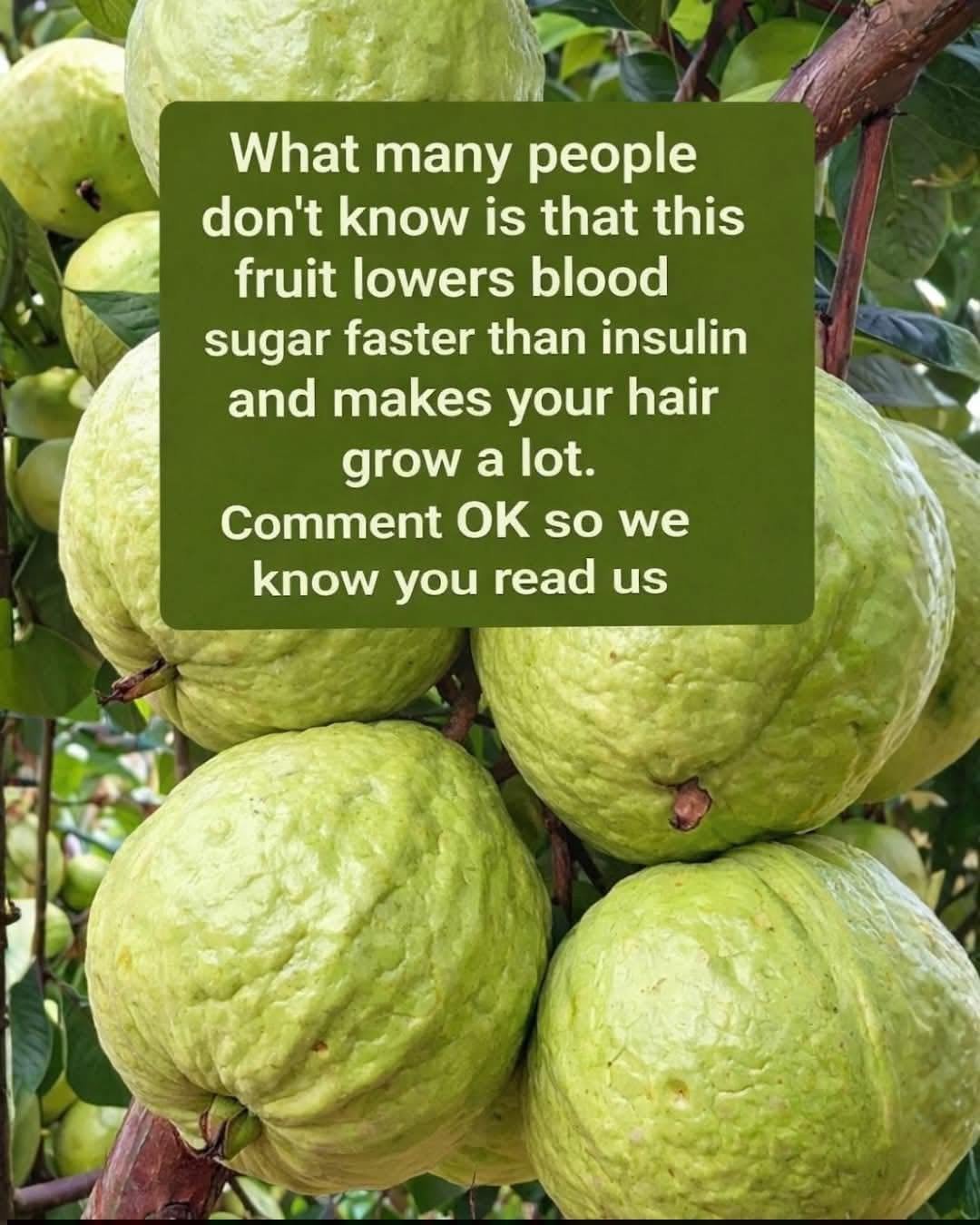
| Leaf Extract | Quercetin, Guaijaverin, Gallic Acid, Tannins | $\alpha$-Glucosidase inhibition; peripheral microcirculation support; antioxidant protection. |
| Fruit Pulp & Skin | Pectin (Soluble Fiber), Ascorbic Acid, Lycopene | Delays carbohydrate absorption; drives collagen synthesis; neutralizes free radicals. |
🧪 Food Science: Polyphenol Extraction & Tannin Binding
-
Thermal Extraction Kinetics: Water-soluble polyphenols and tannins leach into solution at temperatures between $185^\circ\text{F}\text{–}200^\circ\text{F}$ ($85^\circ\text{C}\text{–}93^\circ\text{C}$). Simmering the leaves in a covered vessel traps volatile essential oils (such as $\beta$-caryophyllene and cineole) that would otherwise evaporate into the steam.
-
Tannin-Protein Complexation: The astringent quality of topically applied guava leaf extract is driven by condensed tannins (proanthocyanidins). These polyphenols cross-link with dermal proteins on the scalp surface, tightening the tissue surrounding the hair follicle pore to reduce excess sebum output.
🛠️ Functional Formulations & Protocols
📊 Nutritional Profile (Approximate Per 100g Fresh Guava Fruit)
| Metric | Amount Per 100g Fresh Whole Fruit |
| Calories | ~68 kcal |
| Protein | 2.6g |
| Total Fat | 1.0g |
| Carbohydrates | 14.3g |
| Dietary Fiber | 5.4g (High Pectin Yield) |
| Vitamin C | 228 mg (~380% Daily Value) |
| Potassium | 417 mg |
🔒 Safety & Usage Protocols
-
Glycemic Management Caution: Individuals taking prescription glucose-lowering medications (such as metformin or insulin) should monitor their blood glucose closely when regularly drinking guava leaf tea, as additive hypoglycemic effects can occur.
-
Dermatological Patch Test: Before applying the Guava Leaf Scalp Tonic across the entire scalp, perform a 24-hour patch test on a small area of the inner arm to rule out contact sensitivity to volatile botanical oils or tannins.
-
Storage Limits: Store liquid herbal tea infusions and topical scalp tonics in sealed glass containers in the refrigerator for up to 7 days.
For Complete Cooking STEPS Please Head On Over To Next Page Or Open button (>)