| Targeted Physiological System | Primary Active Bio-Molecules | Theoretical Impact on Aging Biomarkers |
| Vascular & Endothelial Health | ALA (Omega-3), Potassium, Magnesium | Supports arterial elasticity, fluid volume balance, and healthy blood pressure levels. |
| Cognitive & Neurological Defense | Betalains, Alpha-Tocopherol, Dopamine | Helps neutralize neuro-inflammation and protects neural cell membranes from oxidative stress. |
| Skeletal & Structural Integrity | Calcium, Magnesium, Vitamin C | Provides foundational mineral building blocks to support bone density. |
| Gastrointestinal Motility | Soluble Mucilage, Dietary Fiber | Enhances GI transit times, hydrates stool structure, and feeds beneficial gut microbiota. |
⚠️ Essential Culinary Safety: Managing Oxalic Acid
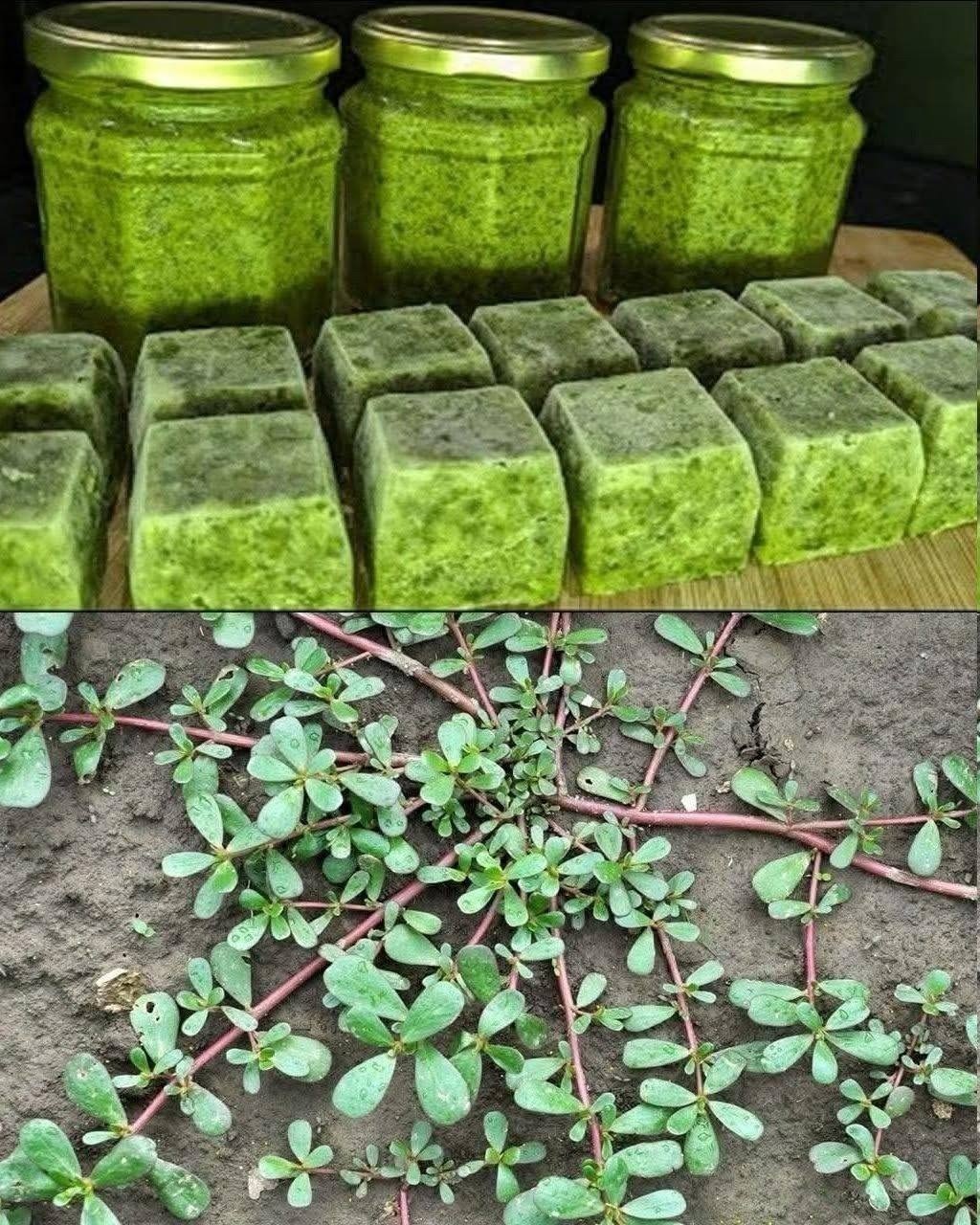
Despite its dense nutrient profile, purslane contains high baseline levels of oxalic acid (oxalates), requiring proper kitchen preparation:
-
The Risk Factor: Free oxalates bind to ionic calcium in the human digestive and urinary tracts, forming insoluble calcium oxalate crystals. This poses a risk for individuals with a history of kidney stones (renal calculi) or hyperoxaluria, and high oxalate intake can also reduce the absorption of essential minerals like calcium and iron.
-
The Mitigation Protocol (Blanching): To safely lower oxalate levels without destroying heat-stable omega-3 fatty acids or minerals, blanch or boil fresh purslane greens in hot water for 2 to 3 minutes, then completely discard the cooking water. Because oxalates are water-soluble, they leach into the liquid, leaving the cooked greens safer for regular dietary consumption.
For Complete Cooking STEPS Please Head On Over To Next Page Or Open button (>)