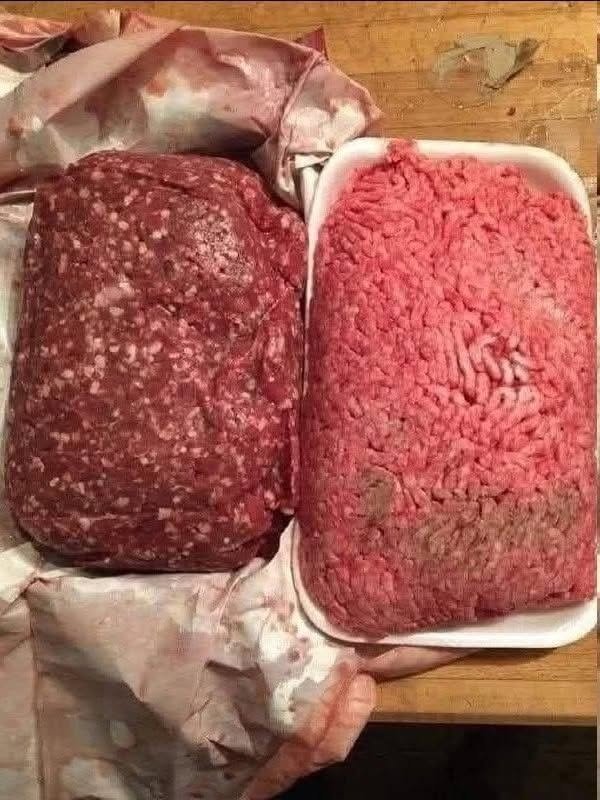
| Metric Attribute | Supermarket (Commercial) Beef | Farm-Raised (Local) Beef |
| Primary Diet | High-density grain, corn, and soy formulas. | Fresh pasture grasses, silage, and select grain finishes. |
| Flavor Profile | Mild, uniform, and subtle sweetness. | Deep, robust, earthy, and distinctly traditional. |
| Traceability | Low; commingled from multiple regional producers. | High transparency; traceable down to a single farm or herd. |
| Fat Composition | Higher overall fat content; higher Omega-6 ratios. | Leaner structural yield; higher Omega-3 and $\text{CLA}$ ratios. |
🥩 The Economics of Buying Local: Price vs. Value
A common hesitation when transitioning to farm-raised beef is the initial shelf-price discrepancy. Commercial supermarkets leverage massive economies of scale and high-volume distribution networks to keep retail prices low. Smaller local farms invest significantly more time, labor, and land resources per animal, which reflects in a higher price per pound for individual cuts.
However, purchasing directly from a local farm offers distinct economic advantages when utilizing the bulk purchase protocol:
-
Quarter, Half, or Whole Cow Shares: By buying a share of an animal directly from the farmer, you pay a uniform price per pound across all cuts—meaning premium ribeyes and tenderloins cost the exact same per pound as standard ground beef or stew meat.
-
Freezer Security: Bulk ordering allows you to stock a home freezer for months at a time, bypassing weekly supermarket inflation spikes and supply chain instability.
🛒 Choosing the Blueprint That Fits Your Household
For Complete Cooking STEPS Please Head On Over To Next Page Or Open button (>)