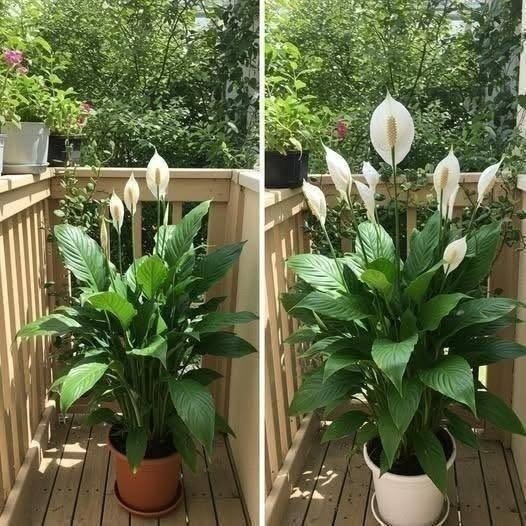
The trend of adding a single tablespoon of household ingredients to houseplants promises quick fixes, but results vary wildly based on what you use. While certain pantry staples act as natural fertilizers, others can introduce mold, root rot, or pest infestations.
High Risk: Household Substances to Avoid
-
Granulated Sugar: Adding raw sugar to pots creates a breeding ground for harmful fungi and mold while quickly attracting ants and other household pests.
-
Soda & Soft Drinks: The high concentration of refined sugars combined with carbonation disrupts the osmotic balance of the soil, shocking the roots and accelerating mold or root decay.
Proceed with Caution: Moderate Application Required
-
Coffee Grounds: Used sparingly, coffee grounds enrich the soil with nitrogen and benefit acid-loving plants. Piling them on heavily will skyrocket soil acidity and stunt plant development.
-
Mild Dish Soap: Highly diluted soap sprays help combat soft-bodied pests like aphids. Over-application or direct concentrated doses coat foliage, interfering with leaf respiration and sunlight absorption.
-
Milk: Properly diluted with water, milk serves as a natural anti-fungal agent against powdery mildew. Undiluted milk sours in the soil, generating foul odors and harboring unwanted bacterial growth.
-
Epsom Salt: Provides magnesium and sulfur to boost growth in heavy feeders like tomatoes and peppers. Use sparingly to avoid toxic mineral salt buildup in container soil.
-
A Single Tablespoon of Water: While completely harmless, one tablespoon of water is insufficient for hydration—it dampens only the top soil layer while leaving the root zone dry.
🌿 Safe & Beneficial Natural Soil Boosters:
LOOK NEXT PAGE DEAR──►
For Complete Cooking STEPS Please Head On Over To Next Page Or Open button (>)